

How Much Do You Know About Maize Milling Plant?
Nov. 25, 2025
Maize flour milling involves removing the outer layer of the corn kernel to expose the edible inner portion. This process not only improves the grain’s taste and texture but also enhances its nutritional profile, as stripping away the hull eliminates much of the fiber and oil content found in whole corn.
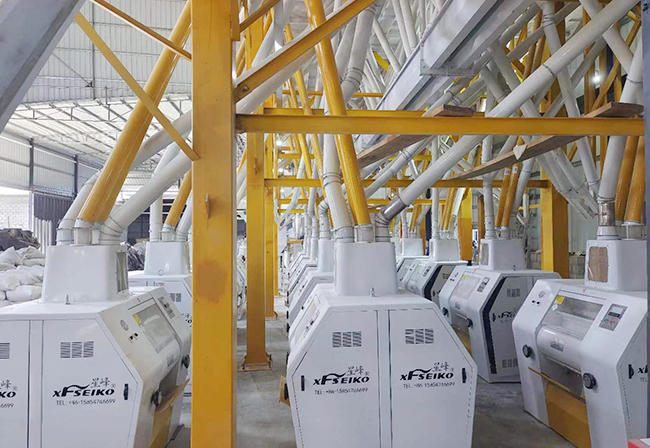
Complete Set of Maize Flour Milling Plant Machine
Workflows
A maize flour milling plant is typically made up of several essential sections, including cleaning, grinding, sifting, and packaging. During the cleaning stage, maize kernels are separated from impurities such as soil, stems, and leaves. Using sieves and aspirators, the plant ensures that only clean kernels enter the milling process.
After cleaning, the kernels are transferred to the grinding section. Here they are processed into fine powder using machines such as hammer mills, roller mills, or plate mills. The type of grinder selected depends on the target product and the mill’s processing capacity. Some plants focus on producing fine maize flour, while others manufacture coarser meal or grits.
The ground maize then moves to the sifting stage, where impurities are removed and a consistent particle size is achieved. Mechanical sifters or specialized screens separate larger particles from finer ones. Once this step is complete, the maize meal is ready for packaging.
In the final packaging section, the processed maize meal is placed into bags or other containers according to the mill’s production goals. Some facilities produce baking-grade maize flour, while others focus on meal suited for animal feed. Proper packaging is essential to protect the product from contamination, moisture, and spoilage.
Additional reading:How to make corn flour using corn processing machinery?
Maize milling plants come in a wide range of sizes, from small family-owned setups to large industrial operations. Their scale and layout depend on the quantity of maize being processed, the final product requirements, and the available investment budget.
Advantages
Using a maize milling plant offers numerous benefits. Since maize meal is a staple in many regions, these plants provide a steady supply of an important food ingredient. Its versatility allows it to be used in baked goods, porridges, soups, and many other dishes.
Another key benefit is the improved nutritional content of maize meal. Removing the hull exposes the inner kernel, which contains essential vitamins, minerals, and nutrients, making the processed meal more nutritious than raw kernels.
Maize milling plants also support farmers by enabling them to convert their harvest into marketable food products, helping increase their income and overall quality of life. Furthermore, the establishment of milling plants generates employment opportunities and contributes to economic development in rural areas.
In summary, maize milling plants are essential to the food industry, providing a dependable supply of maize meal used in diverse recipes. They enhance the nutritional value of maize and offer significant economic advantages for farmers and local communities. Whether for agricultural use, commercial production, or household consumption, investing in a maize flour milling plant supports a sustainable and productive future for food processing.
234
0
0
Comments
All Comments (0)